Create Bootable Usb For Windows From Iso Mac
Unlike the other two methods, this one does not require administrative privileges. Unfortunately, this will not work for Ubuntu: the ISO for Ubuntu 15 Desktop contains a Linux-specific file system that cannot be read by Mac OS X without installing additional software. Here are the steps: • After inserting the USB flash drive, open the Disk Utility found in the Utilities folder under Applications. In this example I use a 32 GB SanDisk Cruzer and create a 5 GB partition on it, called WIN10_TEST. Set up USB with MBR partition scheme • Mount the Windows 10 ISO by selecting File -> Open Disk Image in the Disk Utility.
DMG is a disk image format for Mac just like an ISO file in Windows. That means, it is possible to mount a DMG file on a virtual disk or write it to a DVD and access its contents. A macOS installation package with DMG extension enables creating bootable installer DVDs. After completion of the process, you will see an option to burn a DVD from the downloaded ISO file. But you don’t need a DVD for creating bootable USB drive, hence click on “Finish” to close the window. To have the Microsoft tool create your bootable flash drive, make sure your flash drive is plugged in, select USB flash drive, and click Next. To use Rufus, select ISO file and click Next. This will save the.iso file to your computer; then, to use Rufus and your.iso file to create a bootable installation flash drive, follow the directions below.
Create Bootable Usb For Windows From Iso Mac Download
If you check it again with “diskutil list” you will see the changes already, also the USB stick will no longer be shown in the Finder. Copy the image to the USB stick Now we can copy the disk image we created to the USB stick. This is done via the command. This command will copy the image to the disk (substitute the appropriate disk name for your USB stick here, as with the re-partitioning command): $ dd if=destination_file.img.dmg of=/dev/disk2 bs=1m The dd command does not show any output before it has finished the copy process, so be patient and wait for it to complete. $ diskutil eject /dev/disk2 To eject the USB stick, use the above command. After this is done, the bootable USB stick is ready to be used. Read more of my posts on my blog at.
• On the welcome screen, click continue. • Agree to the license and agreement of Developer tool and click continue. • Select a location where to install and click Install. • Enter your password for confirmation and click install software. • When the installation completes close the Developer utility tool. • First, Open the terminal by searching in the spotlight. • When the terminal opens, paste the below command in terminal and hit return.
Step 1: Download the official version of ISO Burner from this website. Double click the.exe file and follow the instructions on the setup wizard to install the software on your Windows PC. Step 2: As you will see, there are multiple functions to handle ISO disk images. Click on the one to create a boot disk from ISO file. It's the option that says 'Burn'.
Linux users can use the dd command to directly write an IMG file’s contents to a removable media device. Insert the removable media and run the following command on Ubuntu: sudo dd if=/home/user/file.img of=/dev/sdX bs=1M Replace /home/user/file.img with the path to the IMG file on your file system and /dev/sdX with the path to your USB or SD card device. Be very careful to specify the correct disk path here — if you specify the path to your system drive instead, you’ll write the contents of the image to your operating system drive and corrupt it For DOS RELATED: If you need to boot into DOS to use a low-level firmware upgrade, BIOS update, or system tool that still requires DOS for some reason, you can use the tool to. Rufus uses FreeDOS, an open-source implementation of DOS that should run whatever DOS program you need to use.
Select the Linux distribution, provide a location for the appropriate ISO file, select your USB flash drive, and click Create. EaseUs todo backup bootable USB 6. EaseUs Todo Backup EaseUs Todo Backup also the best tool to allows the user to create bootable USB Drive for Windows you can just put the Windows ISO file and select the USB Drive and in one click your USB will be bootable.
Let us help!—you’ll see the digits 1511 in the file name if it is. Older versions don’t let you use Windows 7 or 8 keys to activate it directly.
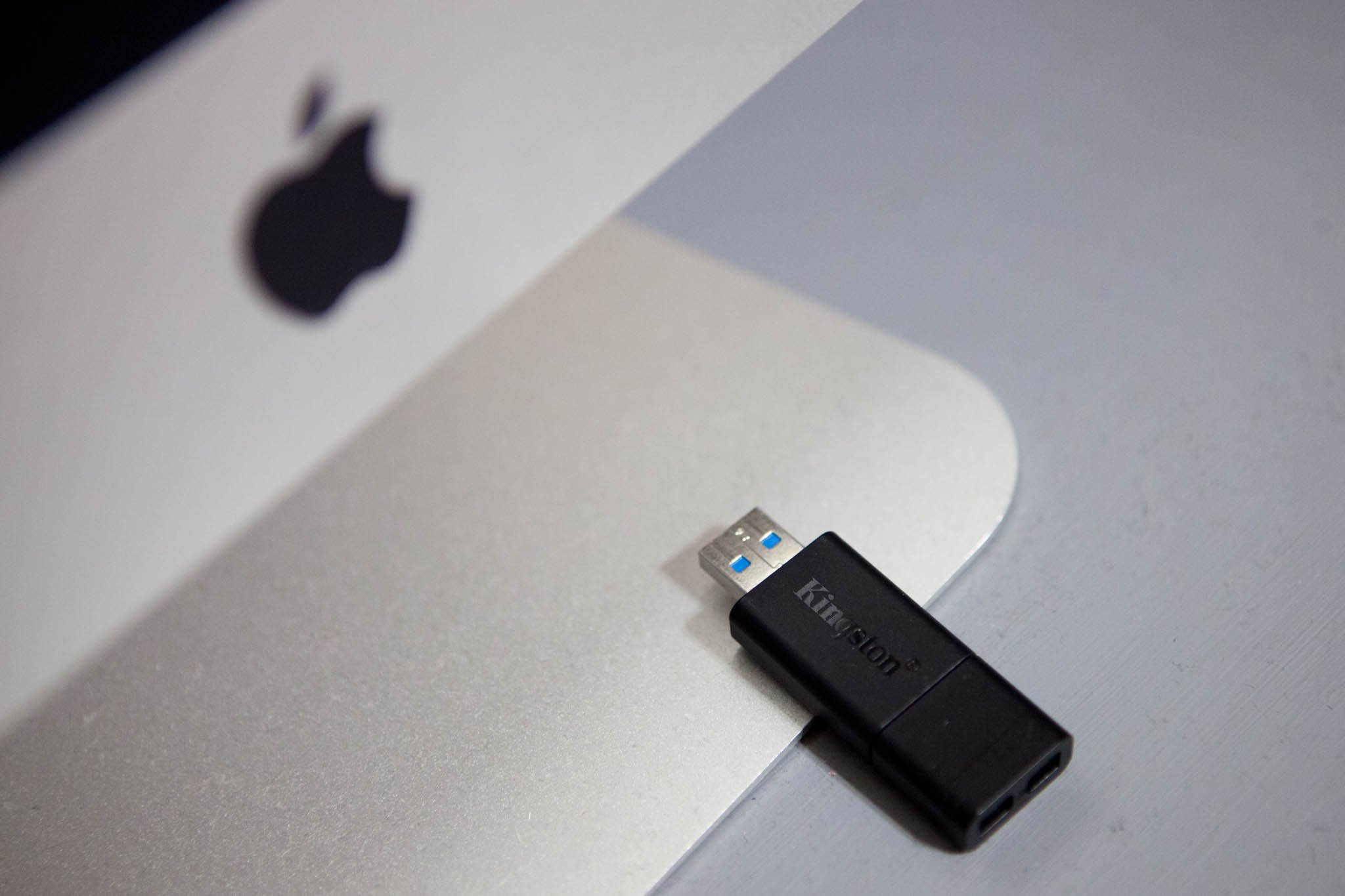
The process is a little more complicated if you’re using a Mac. Microsoft offers a simple tool to create a bootable USB on Windows, but there is no such tool for Mac users. Fortunately the process is pretty easy, if you know how. Plus, this is a great opportunity to get Microsoft’s last version of Windows for free.
• • • • • • • • • • • • • • • Booting from a USB stick is nowadays more and more important. More and more PCs (and servers) are delivered by default without a CD/DVD drive. To install the OS of your choice, USB sticks provide you the easiest possibility. In fact, it can even work out cheaper than burning a CD or DVD that you just throw away once the version is outdated.
• is a multifunction burning tool, but it wouldn’t work for me. I have read other positive reviews, so it could be worth a look for other individuals. • is another very basic tool. However, it didn’t make the cut through a slow time and lack of features. • has a decent UI and a burning wizard to guide you through, but I gave up on the test as it had not even hit 50% after nearly 40 minutes.
If the software is blocked at installation time, go to System Preferences and then Security & Privacy. Here, click on the '‘Open Anyway' button next to the notification message in the bottom half of the window. Step 4: In the Etcher interface, select the disk image, which is the Ubuntu ISO file that you downloaded earlier, then select the drive, which is your USB flash drive. Finally, click on 'Flash' and then enter the password for your computer to proceed with creating the boot drive. Your bootable USB drive will soon be ready.
While Booting: USB vs. UEFI When you go to install Windows 10 on a PC with this USB drive, your motherboard might not boot with it, even if you have set to boot with the USB first. It’s a common problem with a simple solution. Inside the BIOS you can change basic computer settings, like the boot order. The exact key you need to strike depends on your hardware.
• Go to storage and click on the disk below the vdi storage. • Click on the empty disk button on the right side of the window. • Choose the.iso file you converted earlier. • Just click ok and start the Virtual OS.
( Figure E) 11. Upon verifying that the fields are correct, click the Restore button and select Erase from the application, if prompted to do so.
When i choose the second option boot clover from efi it displays a screen with options one of which being continue to proceed with boot process and when i select continue it just displays a black screen for a few seconds and then it goes back to the same screen. I have entered the fakecpuid i found on the tonymac fourms but it hasn’t helped. I would appreciate any help, thank you. This file is not optimized for mac. Hi.when i extracted the install msc os sierra.raw with 7zip i got 2 file one is disk image.hfsx and othere one is EFI system partitiion.img i tried both, First i selected efI system partition in WIN32 disk manager after finished i got just 200 mb file and rest of my usb stick storage gone3 somewhere else (not accessible and visible ). And when i tried with other.hfsx file it took time around 10 minuts and made my usb stick un usable i had to make partition again with easeus partition managaer plz suggest how to make and install mac in my intel pc thanx in advance.
In a few moments, your bootable USB drive will be ready for use. The software contains a lot of functionalities to make sure that your ISO file is burned properly to the drive, including, creation, editing. A lot of effort has been taken to put all the heavy work in the background so the user has a lot less work to do. Part 2: How to Make Bootable USB Flash Drive from ISO (Mac) Etcher is a great tool to create a bootable drive on computers running Mac OS. There are some initial preparatory steps that you will need to execute before actually creating the boot drive from your ISO file. In this example, we will show you how to create an Ubuntu boot drive on Mac OS. Step 1: Install the Etcher software on your Mac computer after downloading it from the official source.